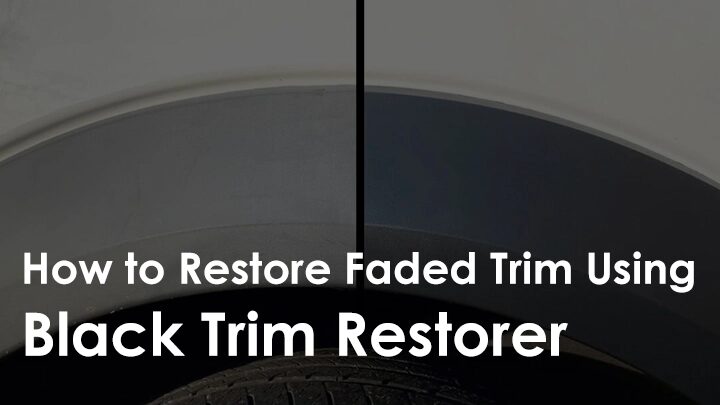
Faded black plastic trim can make even a well-maintained car look old and neglected. Using the right black trim restorer can help restore the rich, dark appearance of faded exterior plastic, rubber, and vinyl components.
Parts such as bumpers, wheel arch cladding, mirror housings, and door mouldings are regularly exposed to sunlight, rain, dust, and road grime, causing them to lose their original appearance over time. For professional car detailers, restoring faded trim is an essential step in delivering a clean, refreshed, and professionally detailed vehicle.
For professional car detailers, restoring faded trim is an important part of delivering a complete exterior detailing service. The right black trim restorer can improve the appearance of weathered plastic without requiring replacement of otherwise serviceable trim components.
In this guide, we will explain how to restore faded trim, how to prepare the surface correctly, which application mistakes to avoid and how to choose between a trim restorer and a dedicated plastic coating.
Why Does Black Plastic Trim Fade?
Most exterior automotive trim is made from textured or smooth plastic, rubber or other polymers. These materials experience continuous environmental exposure, particularly on vehicles parked outdoors.
Common causes of fading include:
- UV exposure: Prolonged sunlight contributes to the deterioration and appearance changes of exterior plastics.
- Environmental contamination: Road film, dirt, mineral deposits and oily residues can accumulate on textured surfaces.
- Repeated washing: Incompatible cleaners, harsh chemicals and poor maintenance practices may affect the appearance of trim.
- Product residue: Uneven application of dressings or contamination left behind during previous detailing can create patchy results.
- Material ageing: Older plastics may become permanently discoloured, brittle, cracked or physically damaged.
Before choosing a restoration product, identify the actual condition of the surface. Fading and surface contamination may respond well to cleaning and restoration, while cracks, deep scratches and structural deterioration may require a different solution.
What Is a Black Trim Restorer?
A black trim restorer is a product designed to improve the appearance of faded exterior plastic trim. Depending on its formulation, it may use colour-restoring ingredients, dyes, pigments or surface-conditioning technology to create a darker, more uniform finish.
For professional detailers, the important considerations are coverage, consistency, ease of application, drying behaviour and compatibility with the trim material.
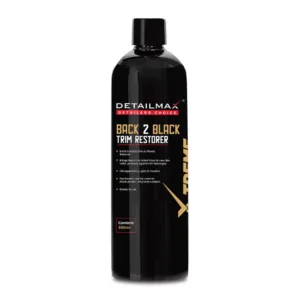
One option is Back 2 Black Trim Restorer. According to its product information, this ready-to-use, dye-based formula is designed to restore faded plastic, vinyl and rubber components to a richer black appearance. The manufacturer also states that it offers up to 12 months of UV protection.
Actual results and durability can vary depending on the substrate, its condition, surface preparation, environmental exposure and subsequent maintenance.
Step-by-Step Guide to Restoring Faded Trim
Step 1: Inspect the Trim Before Starting
Begin by inspecting all exterior plastic components under good lighting. Look for uneven fading, oxidation-like discolouration, scratches, cracks, old dressing residue and areas that have already been repainted.
Identify whether the surface is textured, smooth, painted or coated. Not every black-looking component is unpainted plastic, and some modern vehicles use specialised finishes that may react differently to restoration products.
If the trim is cracked, peeling or structurally damaged, a restorer will not repair the underlying damage. Test the selected product on a small, inconspicuous area before treating the entire component.
Step 2: Wash and Clean the Surface Thoroughly
Proper cleaning is one of the most important stages of trim restoration. Applying a restorer over dust, grease, road film or old dressing can lead to streaking, uneven colour and inconsistent results.
Wash the vehicle and clean the trim using a suitable automotive cleaner. For heavily contaminated areas, use an appropriate plastic-safe cleaner and a soft detailing brush to loosen dirt from textured surfaces.
Pay particular attention to:
- Wheel arch cladding and lower bumper sections.
- Door mouldings and side protection strips.
- Exterior mirror housings.
- Textured plastic around the lower body.
- Areas where old dressing has accumulated.
Rinse away cleaner residue where required and dry the trim completely. Follow the cleaner’s instructions and avoid aggressive scrubbing that could damage delicate surfaces.
Step 3: Remove Residue and Prepare the Surface
Once the trim is clean, check for remaining oils, dressing residue or contamination that could interfere with uniform application.
Use a surface-preparation method compatible with the specific plastic or rubber material. Do not automatically apply strong solvents or aggressive degreasers to every trim type.
The surface should be clean, dry and free from loose contamination before restoration begins. Avoid working on hot trim, under direct sunlight or in conditions outside the product manufacturer’s recommendations.
For professional detailing studios, maintaining a consistent preparation process across every vehicle helps improve repeatability and reduces the likelihood of patchy results.
Step 4: Apply the Black Trim Restorer Sparingly
For Black Trim Restorer, the published application instructions recommend shaking the bottle well and applying the ready-to-use product sparingly with an applicator sponge.
Work on manageable sections rather than treating the entire vehicle at once.
- Shake the product thoroughly before use.
- Dispense a small amount onto a suitable applicator sponge.
- Spread the product evenly across the trim.
- Follow the contours and textured areas carefully.
- Avoid excessive product build-up around seams, edges and adjoining painted surfaces.
The goal is consistent coverage, not a thick layer. Applying too much product can increase the risk of streaking, residue and uneven appearance.
Use masking tape where appropriate to protect adjacent paintwork and other sensitive surfaces. If product contacts an unintended area, follow the manufacturer’s guidance for removing it safely.
Step 5: Allow the Product to Dry and Cure
Drying and curing times should never be assumed to be identical across different trim products.
According to the published instructions for DETAILMAX Back 2 Black Trim Restorer:
- Initial drying: Approximately 10 minutes, depending on weather conditions.
- Initial protection period: Avoid contact for 60 minutes, until the surface becomes grip-free and water-resistant.
- Full curing: Approximately 12 hours.
These are the product’s stated guidelines; temperature, humidity and application conditions can affect the process. Follow the current label instructions and avoid exposing the treated trim to water or unnecessary handling before the specified time.
Do not immediately buff, wash or apply another product over the restored surface unless the manufacturer recommends doing so.
Step 6: Inspect the Finish Under Different Lighting
After the recommended curing period, inspect the trim under natural and artificial lighting.
Check for streaks, uneven colour, missed areas, residue on adjoining paintwork and differences between textured and smooth sections. If the finish appears inconsistent, investigate whether the cause is contamination, uneven application or permanent material deterioration before applying another layer.
Do not automatically apply additional product to correct every visual difference. Follow the manufacturer’s instructions regarding repeat application and compatibility.
For professional detailers, taking before-and-after photographs from the same angle and under similar lighting can help document the results for customers.
How to Maintain Restored Black Trim
Restoration is only one part of the process. Regular maintenance helps preserve the appearance of exterior plastic and rubber components.
Use compatible car wash products. Avoid cleaners that are excessively aggressive for the trim material or the applied treatment.
Clean contamination promptly. Road grime, mud and oily deposits can make restored surfaces look dull or uneven.
Avoid unnecessary chemical exposure. Strong solvents and incompatible detailing products may affect the finish.
Use gentle washing techniques. A soft wash mitt or detailing brush can help clean textured trim without excessive abrasion.
Inspect the trim periodically. Check for fading, residue and changes in water behaviour or appearance. Reapply a restoration product only when appropriate and permitted by its instructions.
Durability depends on the material, climate, vehicle usage, washing frequency and product formulation. Avoid promising the same lifespan for every vehicle.
Black Trim Restorer vs Plastic Ceramic Coating: Which Should You Choose?
A trim restorer and a dedicated plastic coating serve related but different purposes. The best choice depends on the desired finish, substrate condition, maintenance expectations and product requirements.
For trim that needs a refreshed black appearance, a suitable restorer can be a practical option. For detailers looking for a dedicated protective treatment, a compatible plastic coating may be worth considering.
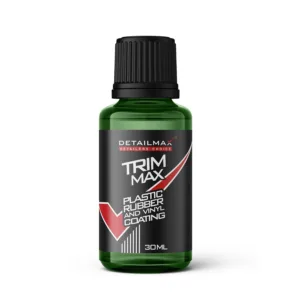
AutoFresh also offers TRIM MAX Plastic Rubber Vinyl Coating. Its product information describes a coating intended for plastic trim and rubber surfaces, with UV resistance, hydrophobic properties and a finish designed to renew faded trim.
The published application instructions recommend applying a few drops to a ceramic applicator, spreading the coating gently over the recommended surfaces and wiping it with a clean microfibre cloth after a few seconds. The stated tack-free curing time is four hours, while full curing and the first wash require a minimum of seven days.
These timings differ from those of Back 2 Black Trim Restorer. The two products should not be treated as interchangeable, and their compatibility should be confirmed before layering one over the other.
Choose the product based on the manufacturer’s recommended use, the condition of the trim and the outcome you want to achieve.
Common Mistakes to Avoid During Trim Restoration
Professional results depend as much on preparation as on the product itself. Avoid these common mistakes:
- Applying the restorer over dirty or wet trim.
- Using excessive product in an attempt to achieve a deeper black finish.
- Working in direct sunlight or on excessively hot surfaces.
- Ignoring compatibility with painted or specialised trim.
- Allowing product to accumulate on adjoining paintwork, glass or textured edges.
- Washing or handling the surface before the recommended curing time.
- Assuming that a trim restorer can repair cracks, peeling coatings or severely damaged plastic.
A controlled application process, careful surface preparation and realistic expectations help produce more consistent results.
Final Thoughts
Restoring faded black trim can significantly improve the overall appearance of a vehicle when the underlying material is still in suitable condition. For car detailers, the key is to identify the trim material, clean it thoroughly, apply the right product sparingly and respect the recommended drying and curing times.
For a ready-to-use restoration solution, explore DETAILMAX Back 2 Black Trim Restorer – 500ml. If a dedicated coating is more appropriate for the job, review DETAILMAX TRIM MAX Plastic Rubber Vinyl Coating and follow its separate application requirements.
With the right preparation, product selection and maintenance routine, detailers can deliver a more uniform finish and help customers maintain the appearance of their vehicle’s exterior trim.
Frequently Asked Questions (FAQs)
1. What is a black trim restorer?
A black trim restorer is a product designed to restore the dark appearance of faded exterior plastic, rubber, and vinyl trim. It helps improve colour uniformity and refresh weathered surfaces without replacing otherwise serviceable components.
2. Why does black plastic trim fade on cars?
Black plastic trim fades due to prolonged UV exposure, environmental contamination, repeated washing, product residue, and natural material ageing. These factors can make exterior trim appear dull, patchy, or grey over time.
3. How do you restore faded black plastic trim?
To restore faded black plastic trim, inspect the surface, wash it thoroughly, remove old dressing and contamination, and allow it to dry completely. Apply a suitable black trim restorer sparingly with an applicator sponge, then allow it to dry and cure according to the manufacturer’s instructions.
4. Can a black trim restorer be used on rubber and vinyl?
Yes, some black trim restorers are formulated for use on plastic, rubber, and vinyl surfaces. However, always check the product label and test it on a small, inconspicuous area before applying it to the entire component.
5. How long does black trim restorer last?
The durability of a black trim restorer depends on its formulation, the condition of the trim, UV exposure, weather conditions, and maintenance practices. Some products advertise protection lasting up to 12 months, but actual results may vary.
6. How long does black trim restorer take to dry and cure?
Drying and curing times vary by product. According to the published instructions provided for DETAILMAX Back 2 Black Trim Restorer, initial drying takes approximately 10 minutes, the surface should remain untouched for 60 minutes, and full curing takes approximately 12 hours. Always follow the latest product instructions.
7. Should black plastic trim be cleaned before applying a restorer?
Yes, cleaning is essential before applying a trim restorer. Dirt, grease, road grime, and old dressing can cause streaking and uneven colour. The trim should be clean and completely dry before application.
8. Can you apply black trim restorer in direct sunlight?
It is best to avoid applying trim restorer in direct sunlight or on hot surfaces unless the manufacturer specifically permits it. Excessive heat can affect product application, drying, and the consistency of the final finish.
9. Can black trim restorer repair cracked or damaged plastic?
No, a black trim restorer is designed primarily to improve the appearance of faded surfaces. It cannot repair cracks, deep scratches, peeling coatings, brittle plastic, or structural damage. Severely damaged trim may require repair or replacement.
10. What is the difference between a black trim restorer and a plastic ceramic coating?
A black trim restorer primarily focuses on improving the appearance and colour of faded trim. A dedicated plastic coating is designed to provide a protective treatment and may offer properties such as UV resistance and water repellency. The best option depends on the trim’s condition and the desired finish.
11. How do you maintain black trim after restoration?
Maintain restored trim by washing it with compatible automotive cleaning products, removing contamination promptly, using gentle washing techniques, and avoiding harsh chemicals. Inspect the surface regularly and reapply treatment only when recommended by the manufacturer.
12. Can you apply a ceramic coating over a black trim restorer?
Not all trim restorers and plastic coatings are compatible. Before layering products, check the manufacturers’ instructions and compatibility recommendations. Applying one product over another without confirmation may affect adhesion, appearance, or durability.
13. How can you prevent streaks when applying black trim restorer?
To prevent streaks, thoroughly clean and dry the trim, use a suitable applicator, apply a small amount of product, and spread it evenly over manageable sections. Avoid excessive product build-up and follow the recommended drying and curing times.
14. Is black trim restorer suitable for all exterior car trims?
No, not every product is suitable for every trim material. Painted, coated, textured, and specialised automotive surfaces may react differently. Check product compatibility and perform a spot test before treating the entire surface.
15. Which black trim restoration product should professional detailers choose?
Professional detailers should choose a product based on the trim material, level of fading, desired appearance, application requirements, and expected protection. DETAILMAX Back 2 Black Trim Restorer is an option for refreshing faded plastic, rubber, and vinyl, while DETAILMAX TRIM MAX Plastic Rubber Vinyl Coating is an alternative for detailers seeking a dedicated coating treatment.