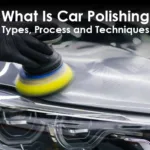

Car polishing is one of the most important steps in car care if you want your vehicle to look clean, shiny, and new for a long time. Many car owners think polishing is only for looks, but it also helps protect the car’s paint and surface.
Whether you are a car detailer, a workshop owner, or a normal car user, understanding car polishing properly can help you take better care of vehicles and deliver better results.
What Is Car Polishing?
Car polishing is the process of improving the look of a car’s paint by removing light scratches, swirl marks, oxidation, water spots, and dullness from the surface. It works by gently rubbing the top layer of the clear coat using special compounds and polishing tools. This smoothens the surface and brings back shine and clarity.
Over time, a car’s paint gets damaged due to dust, pollution, sunlight, bird droppings, and regular washing. These things create small marks that make the paint look faded. Car polishing helps correct these small defects and restores the original gloss of the paint.
Car polishing is not the same as car washing or waxing. Washing only removes dirt from the surface. Waxing adds a protective layer. Polishing actually corrects the paint by removing tiny imperfections.
Why Car Polishing Is Important
You might wonder, is car polishing really needed? The simple answer is yes, and for good reasons.
Car polishing is important because it improves both appearance and protection. When a car is polished properly, it looks brighter, smoother, and more attractive. This is very important for car detailers because customers always want visible results.
Polishing also helps increase the life of the car’s paint. By removing oxidation and surface damage, polishing prevents further paint breakdown. This is especially useful in Indian weather conditions where heat, dust, and pollution are high.
Types of Car Polishing
Car polishing is not the same for every car. The type of polishing depends on the condition of the paint. Some cars need light polishing, while others need deeper correction.
Cutting or Compound Polishing
This is the strongest type of polishing. It is used when the car’s paint has severe problems like deep scratches, heavy swirl marks, or serious oxidation. A special product called a cutting compound is used. It has strong abrasives that cut deeper into the clear coat to level out these big imperfections.
This process requires skill because removing too much clear coat can damage the paint. It is often followed by a finer polish to smooth out the surface.
Finishing or Glaze Polishing
After a cutting polish, the surface might still have very fine marks. Finishing polish is the solution. It uses very mild abrasives to create an extremely smooth and high-gloss finish.
This step removes any haze left by the compound and prepares the paint for wax. It is like using fine sandpaper after a rough one. For cars in good condition with only light swirls, a finishing polish alone might be enough to bring back a fantastic shine.
One-Step Polishing
This is a popular and time-saving car polishing method. It uses a single product, often called an all-in-one polish, that cleans, polishes, and adds a light protective layer in one go. It is perfect for regular maintenance on a car with fairly good paint.
It will not remove deep defects, but it will clean the surface and add a nice shine quickly. It is a great choice for people who want good results without spending a whole day on the process.
Step-by-Step Guide to the Car Polishing Process
Understanding the car polishing process is very important to get safe and effective results. A proper process ensures the paint is corrected without damage.
Step 1: Wash and Dry Your Car Completely
This is the most important first step. You must remove all dirt and grit from the surface. If you polish with dirt on the paint, you will rub those particles in and create more scratches.
Use a proper car shampoo, two buckets (one for soap and one for rinse), and a soft microfibre wash mitt. Dry the car fully with clean microfibre towels. Ensure it is parked in a cool, shaded area.
Step 2: Inspect the Paint and Do a Clay Bar Treatment
Run your hand inside a plastic bag over the clean paint. If it feels rough or gritty, you need a clay bar. A clay bar is a sticky material that pulls out embedded contaminants that washing cannot remove. Lubricate a small section with a detail spray and gently glide the clay bar over it. This makes the paint as smooth as glass, which is essential before car polishing.
Step 3: Choose Your Polish and Tool
Based on your paint’s condition (from the types we discussed), choose the right polish—cutting, finishing, or all-in-one.
You can apply polish by hand for a very small area, but for the best results, use a machine. A Dual Action (DA) polisher is safest for beginners. It moves in a random orbit, making it very hard to burn the paint. Attach a suitable polishing pad to the machine.
Step 4: The Actual Polishing Technique
Apply a few small dots of polish onto the pad. Spread it over a two-foot square area of the car at low speed. Then, increase the speed to a medium setting. Move the polisher slowly in straight lines, overlapping each pass. Apply light pressure. Let the machine and the polish do the work.
You will see the polish turn clear or slightly dusty. After covering the whole section, wipe it off with a clean microfibre towel to check the shine. Continue this way, working panel by panel.
Step 5: Final Wipe Down and Protection
Once the entire car polishing is done, wipe down the whole car with a clean microfibre towel to remove any leftover polish residue. Now, your paint is perfectly smooth and glossy. This is the time to apply your protection.
You must apply a car wax or a synthetic sealant immediately. Polishing removes old wax and exposes fresh paint. The wax seals and protects this new surface, locking in the shine. Apply a thin, even layer of wax, let it dry to a haze, and then buff it off to reveal an incredible, deep shine.

Car Polishing Techniques Used by Professionals
There are different car polishing techniques used based on tools and skill level. Choosing the right technique helps achieve better results safely.
Hand Polishing Technique
Hand polishing is done using foam or microfibre applicator pads. This technique is slow and requires effort, but it is safe for beginners. Hand polishing is suitable for small areas, touch-ups, and light correction. It does not give the same results as machine polishing, but it helps improve shine.
Dual Action Machine Polishing
Dual-action polishing machines are very popular among professionals and beginners. These machines rotate and oscillate at the same time, reducing the risk of paint damage. This technique is ideal for light to medium car polishing and gives uniform results.
Rotary Machine Polishing
Rotary polishing is a professional-level technique. The machine rotates in a single direction and provides strong cutting power. This technique is used for heavy car polishing and deep paint correction. It requires skill and experience because improper use can damage the paint.
Common Mistakes to Avoid in Car Polishing
Knowing what not to do is as important as knowing what to do. Avoid these common mistakes in car polishing.
First, do not polish a dirty car. This is the biggest error and will ruin your paint. Second, do not use household cleaning products like dish soap on your car. They strip away wax and can damage the paint.
Third, do not press too hard on the polisher, especially as a beginner. Let the tool’s weight and movement do the work. Fourth, do not forget to apply protection after polishing. The fresh paint is exposed and needs a wax or sealant coat.
Lastly, do not over-polish your car. Excessive car polishing, especially with aggressive compounds, will thin out the clear coat over time. Once or twice a year is usually enough for a well-maintained car.
How Often Should Car Polishing Be Done?
Car polishing should not be done very frequently because it removes a thin layer of clear coat. For normal cars, light car polishing once a year is enough. Medium or heavy car polishing should only be done when required.
Regular washing and waxing can reduce the need for frequent polishing. Proper maintenance helps keep the paint in good condition for a long time.
Benefits of Professional Car Polishing
Professional car polishing offers better results compared to DIY methods. Professionals have experience, machines, and proper compounds to handle different paint conditions. They can remove defects safely and evenly.
For car detailers, offering car polishing services helps build trust and authority. Customers prefer detailers who understand paint correction properly and deliver visible results.
Conclusion
Car polishing is a very important part of car detailing and paint care. It improves the appearance of the car, removes surface defects, and restores shine. Understanding the types, processes, and techniques of car polishing helps you choose the right method for your vehicle.
When done correctly, car polishing not only makes the car look new but also protects the paint and increases its life. Whether you are a car owner or a professional detailer, proper knowledge of car polishing helps you get the best results safely.
FAQs
- Does car polishing remove scratches completely?
Car polishing can remove light scratches and swirl marks. Very deep scratches may not be removed fully and may need repainting. - Is car polishing better than waxing?
Car polishing and waxing serve different purposes. Polishing corrects paint defects, while waxing protects the surface. Both are important for car care. - Can car polishing damage paint?
Car polishing can damage paint if done incorrectly or too often. When done by professionals using proper methods, it is safe. - How long does car polishing last?
The effect of car polishing can last several months. Applying wax or ceramic coating after polishing helps maintain results longer. - Is car polishing required for new cars?
New cars may not need heavy car polishing. Light polishing can improve shine and remove minor transport marks if present.